

Bow-Tide Peps
Pure - Premium - Peptides
Research Peptide Catalog
Retatrutide is an investigational once-weekly triple-hormone-receptor-agonist injection currently being developed by Eli Lilly for chronic weight management, obesity, and metabolic conditions.
How It Works
Triple Agonist: Unlike older medications that target one or two pathways, it activates three distinct hormone receptors simultaneously:
GLP-1 (Glucagon-like peptide-1): Reduces appetite, increases feelings of fullness, and slows stomach emptying.
GIP (Glucose-dependent insulinotropic polypeptide): Enhances insulin secretion and improves nutrient metabolism.
Glucagon (GCG): Stimulates fat breakdown (lipolysis) and raises energy expenditure.
Administration: Designed as a once-weekly subcutaneous (under the skin) injection.
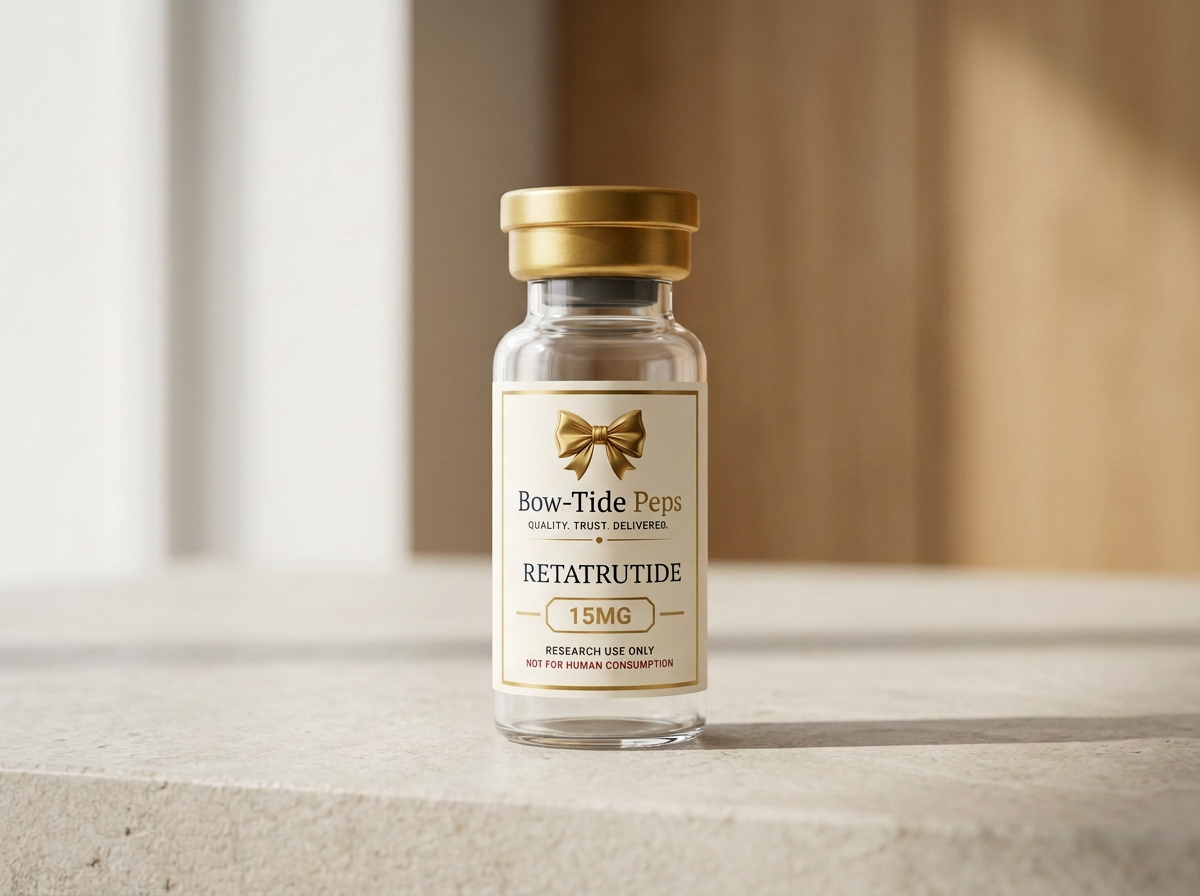
Retatrutide is an investigational once-weekly triple-hormone-receptor-agonist injection currently being developed by Eli Lilly for chronic weight management, obesity, and metabolic conditions.
How It Works
Triple Agonist: Unlike older medications that target one or two pathways, it activates three distinct hormone receptors simultaneously:
GLP-1 (Glucagon-like peptide-1): Reduces appetite, increases feelings of fullness, and slows stomach emptying.
GIP (Glucose-dependent insulinotropic polypeptide): Enhances insulin secretion and improves nutrient metabolism.
Glucagon (GCG): Stimulates fat breakdown (lipolysis) and raises energy expenditure.
Administration: Designed as a once-weekly subcutaneous (under the skin) injection.
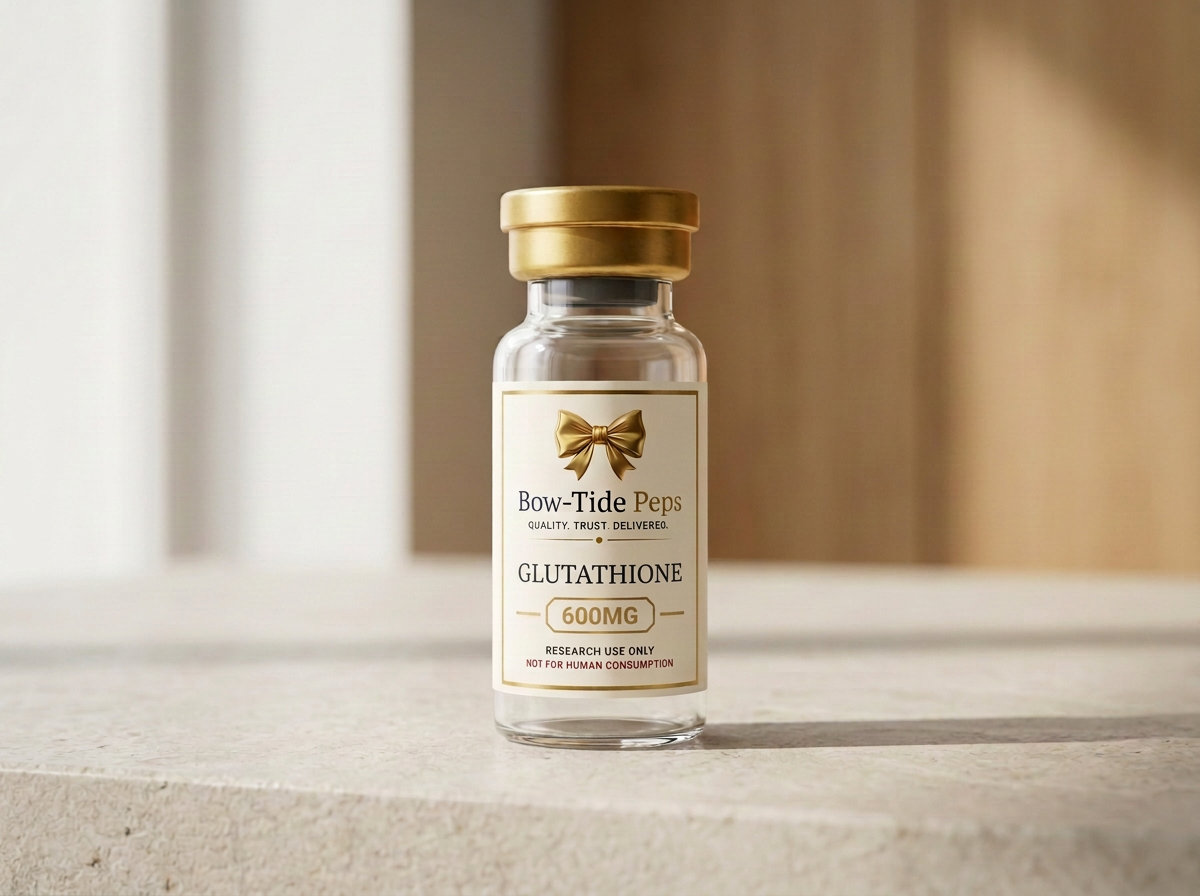
Glutathione is a powerful antioxidant naturally produced by the liver and found in almost every cell of the human body.
Key Functions
Fights oxidative stress: It neutralizes harmful free radicals and reactive oxygen species that damage cells and DNA.
Supports detoxification: It binds to toxins, heavy metals, and metabolic waste in the liver so the body can safely eliminate them.
Recycles nutrients: It helps regenerate active forms of vitamins C and E.
Aids cellular health: It is involved in making DNA, supporting immune function, and repairing tissues.
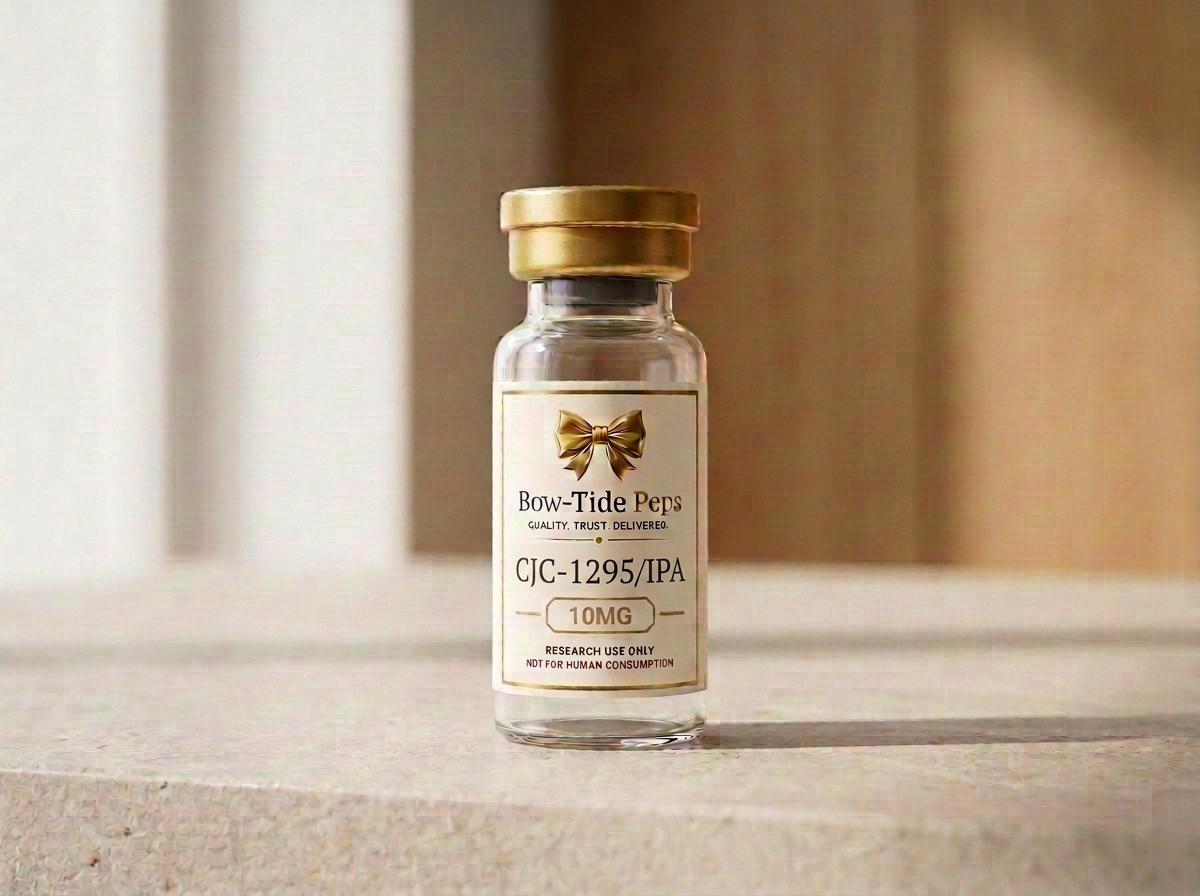
CJC-1295/Ipamorelin is an injectable peptide combination that stimulates your pituitary gland to release growth hormone in a natural, pulsatile pattern.
What is CJC-1295?
Definition: CJC-1295 is a synthetic analog (copy) of growth hormone-releasing hormone, a natural chemical messenger that tells your body to make growth hormone.
Function: It provides a steady, background signal to the pituitary gland.
DAC vs. No-DAC: The long-acting version contains DAC (Drug Affinity Complex) which lasts for days. The short-acting version, commonly called Mod GRF 1-29, clears within hours and is more frequently paired with Ipamorelin.
What is Ipamorelin?
Definition: Ipamorelin is a selective growth hormone secretagogue, meaning it is a compound that prompts the release of growth hormone.
Function: It mimics ghrelin (the hunger hormone) to trigger an immediate pulse of growth hormone.
Advantage: It targets growth hormone release specifically without significantly raising cortisol (stress hormone) or prolactin levels.
How They Work Together
Synergy: CJC-1295 extends the duration of the growth hormone signal, while Ipamorelin amplifies the strength of the pulse.
Physiologic Release: Together, they mimic a natural hormonal rhythm rather than flooding the body with constant synthetic growth hormone.
Body Composition: Users report support for lean muscle mass and fat loss.
Recovery: Athletes discuss faster tissue repair and workout recovery.
Sleep: Reports often note deeper and higher-quality sleep.
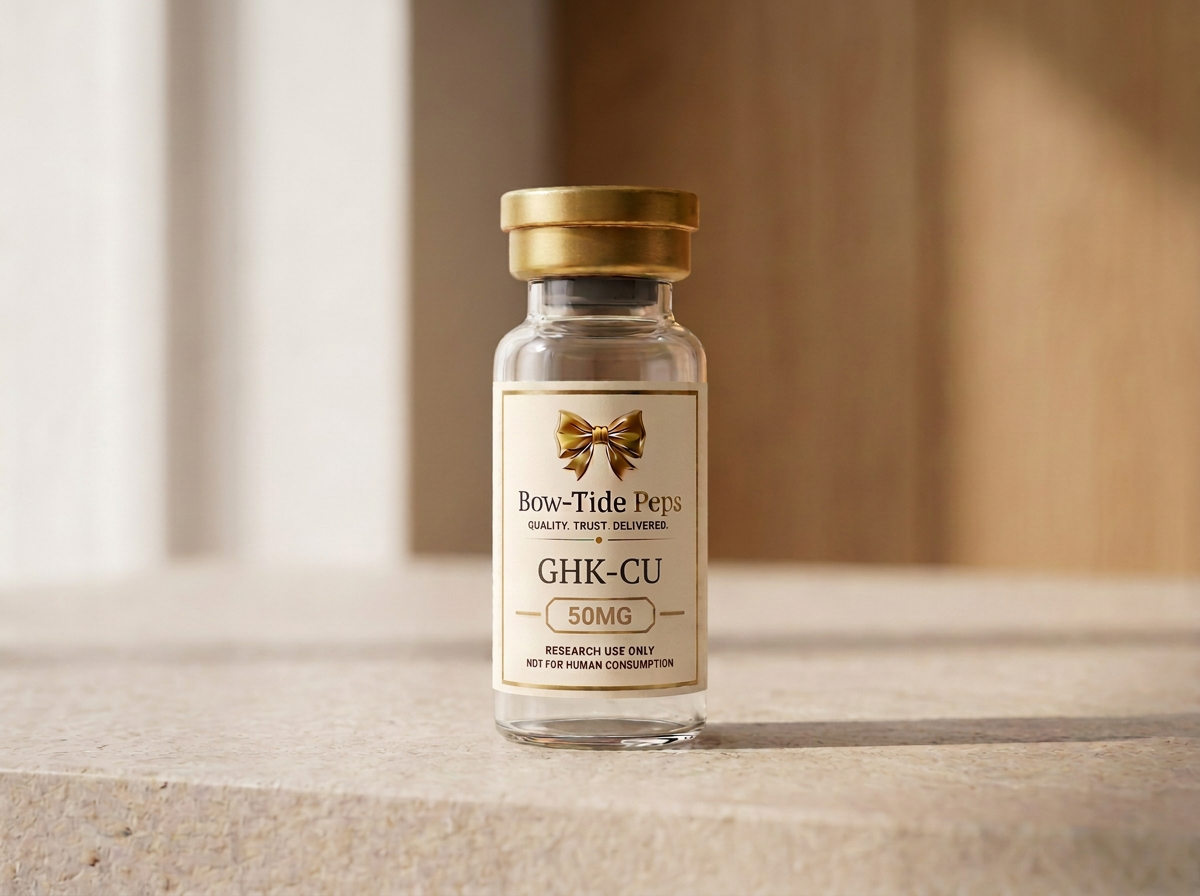
GHK-Cu is a naturally occurring tripeptide composed of three amino acids—glycine, histidine, and lysine—bound to a copper ion.
What is GHK-Cu?
Composition: A small protein fragment, also known as copper tripeptide-1.
Discovery: First isolated from human blood plasma by Dr. Loren Pickart in 1973.
Natural Presence: Found in human plasma and saliva.
Age-Related Decline: Plasma levels drop from about 200 ng/mL at age 20 to roughly 80 ng/mL by age 60.
How It Works
Copper Delivery: Acts as a safe transport system to deliver vital copper ions to cells.
Enzyme Activation: Copper serves as a helper (cofactor) for enzymes that build skin structure.
Collagen Support: Promotes the creation of collagen and elastin to firm skin.
Gene Modulation: Can influence gene activity related to healing and defense. You can read more about these mechanisms in research on Regenerative and Protective Actions of the GHK-Cu Peptide in the Light of the New Gene Data
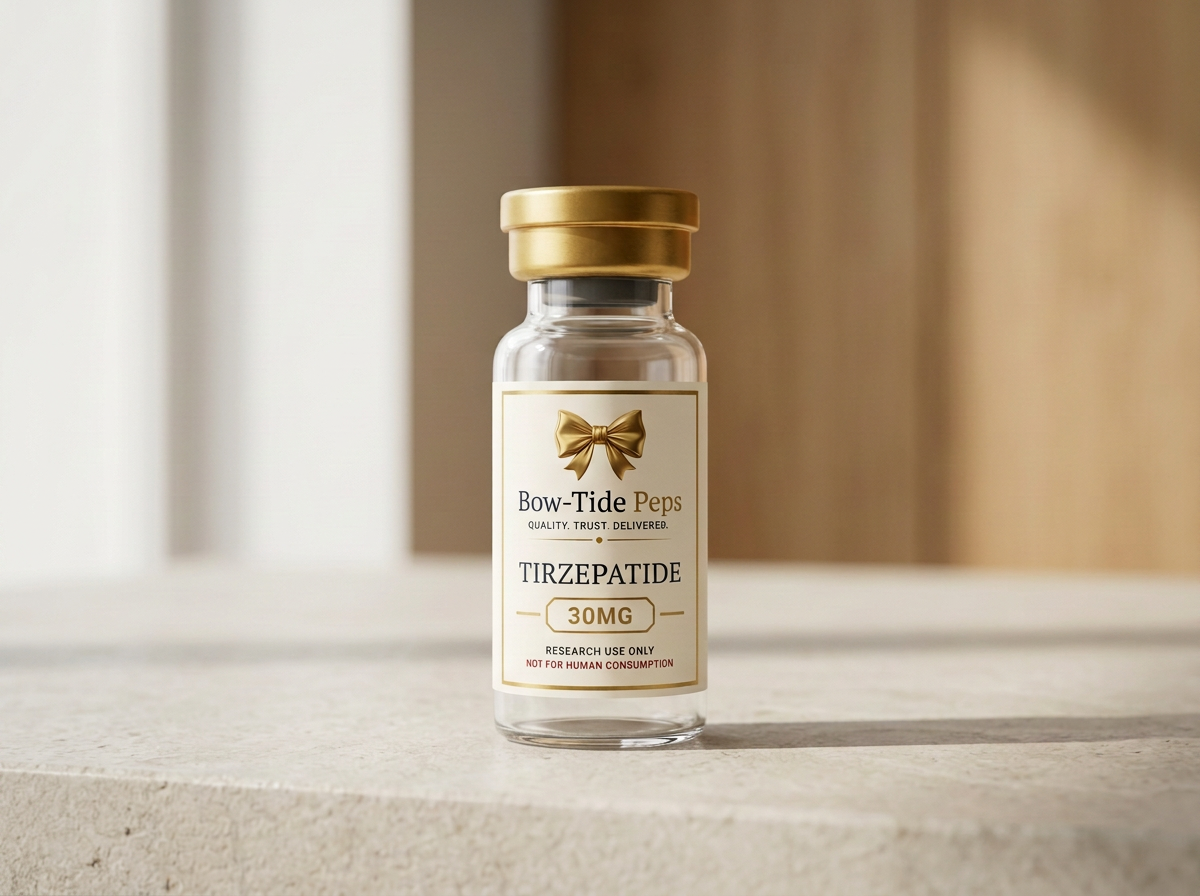
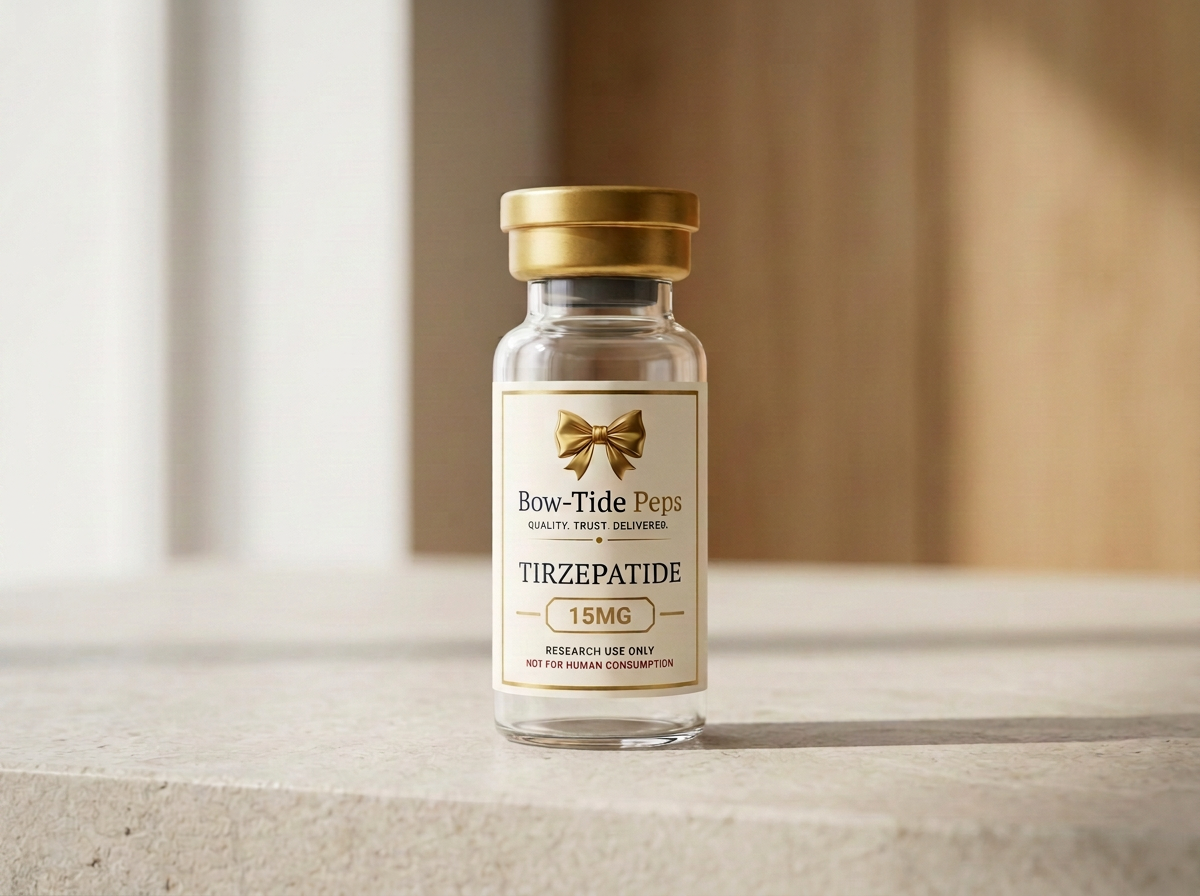
Tirzepatide is an injectable prescription medicine that may help adults with obesity, or some adults with overweight who also have weight-related medical problems, to lose excess body weight and keep the weight off. Tirzepatide should be used with a reduced-calorie diet and increased physical activity.
How It Works
It is a dual GIP/GLP-1 receptor agonist.
It mimics two natural gut hormones.
It helps your pancreas release insulin when your blood sugar is high.
It slows down how fast food leaves your stomach.
It targets areas in your brain to reduce appetite.
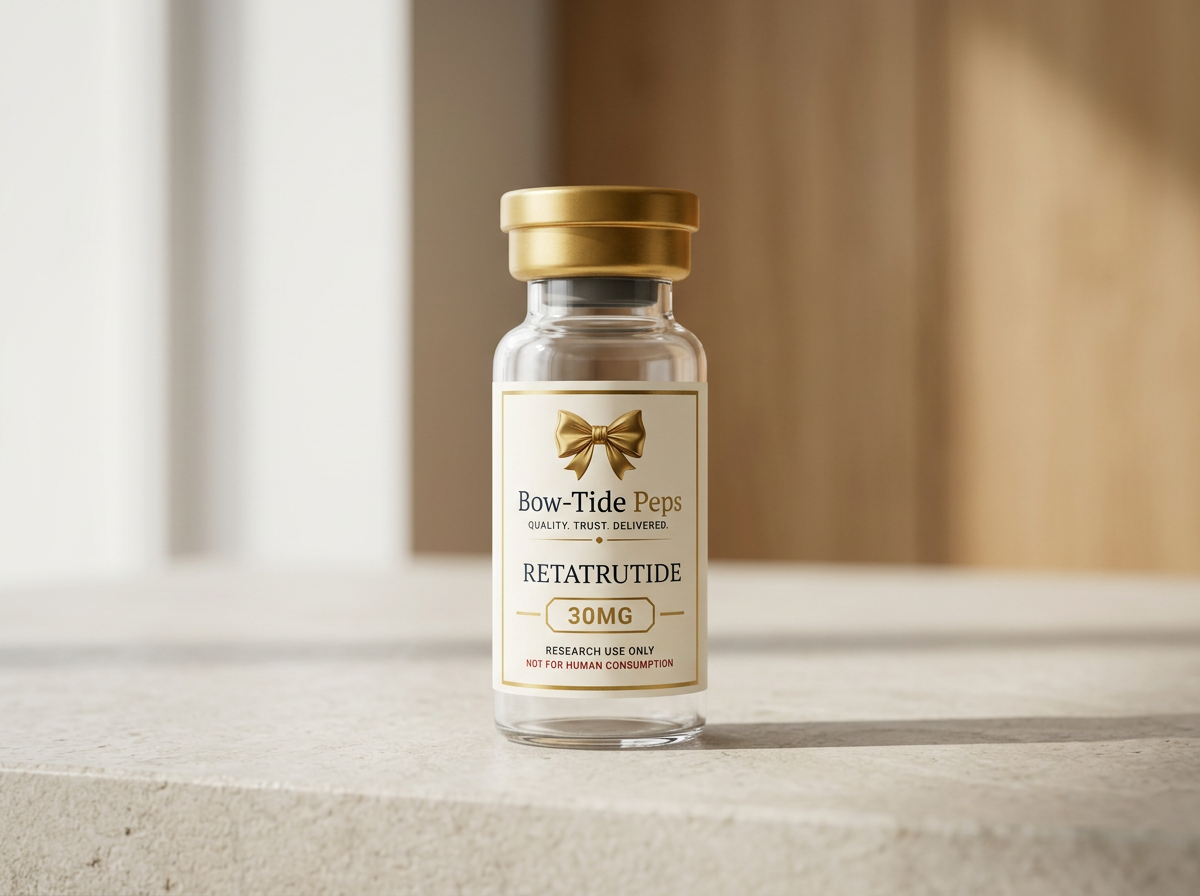
Retatrutide is an investigational once-weekly triple-hormone-receptor-agonist injection currently being developed by Eli Lilly for chronic weight management, obesity, and metabolic conditions.
How It Works
Triple Agonist: Unlike older medications that target one or two pathways, it activates three distinct hormone receptors simultaneously:
GLP-1 (Glucagon-like peptide-1): Reduces appetite, increases feelings of fullness, and slows stomach emptying.
GIP (Glucose-dependent insulinotropic polypeptide): Enhances insulin secretion and improves nutrient metabolism.
Glucagon (GCG): Stimulates fat breakdown (lipolysis) and raises energy expenditure.
Administration: Designed as a once-weekly subcutaneous (under the skin) injection.
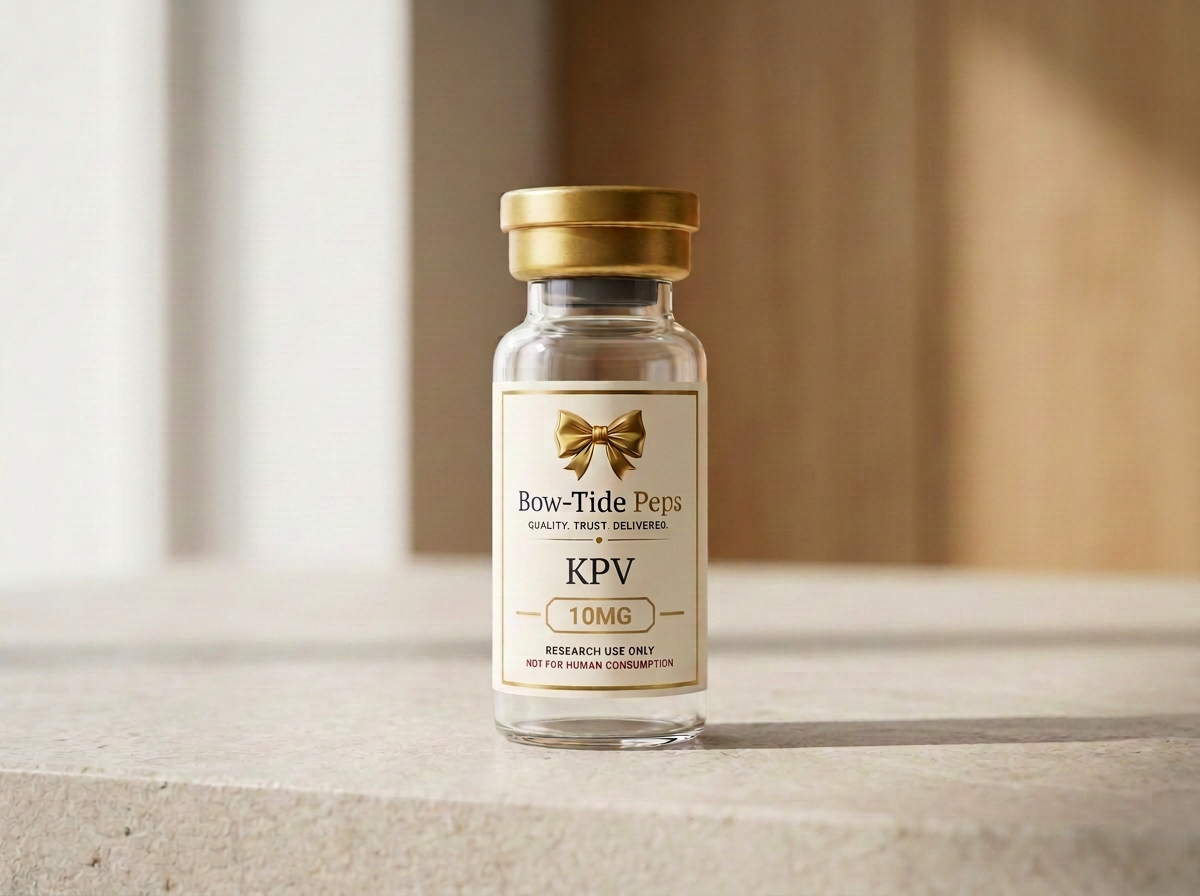
KPV is a short tripeptide made of three amino acids—lysine (K), proline (P), and valine (V)—derived from the C-terminal end of alpha-melanocyte-stimulating hormone (α-MSH).
What KPV Does
Reduces inflammation: It blocks key inflammatory signals like NF-κB and lowers pro-inflammatory cytokines.
No skin darkening: Unlike its parent hormone α-MSH, KPV does not cause pigmentation changes.
Supports gut health: Its tiny size allows it to remain stable during oral digestion, targeting intestinal and epithelial inflammation directly.
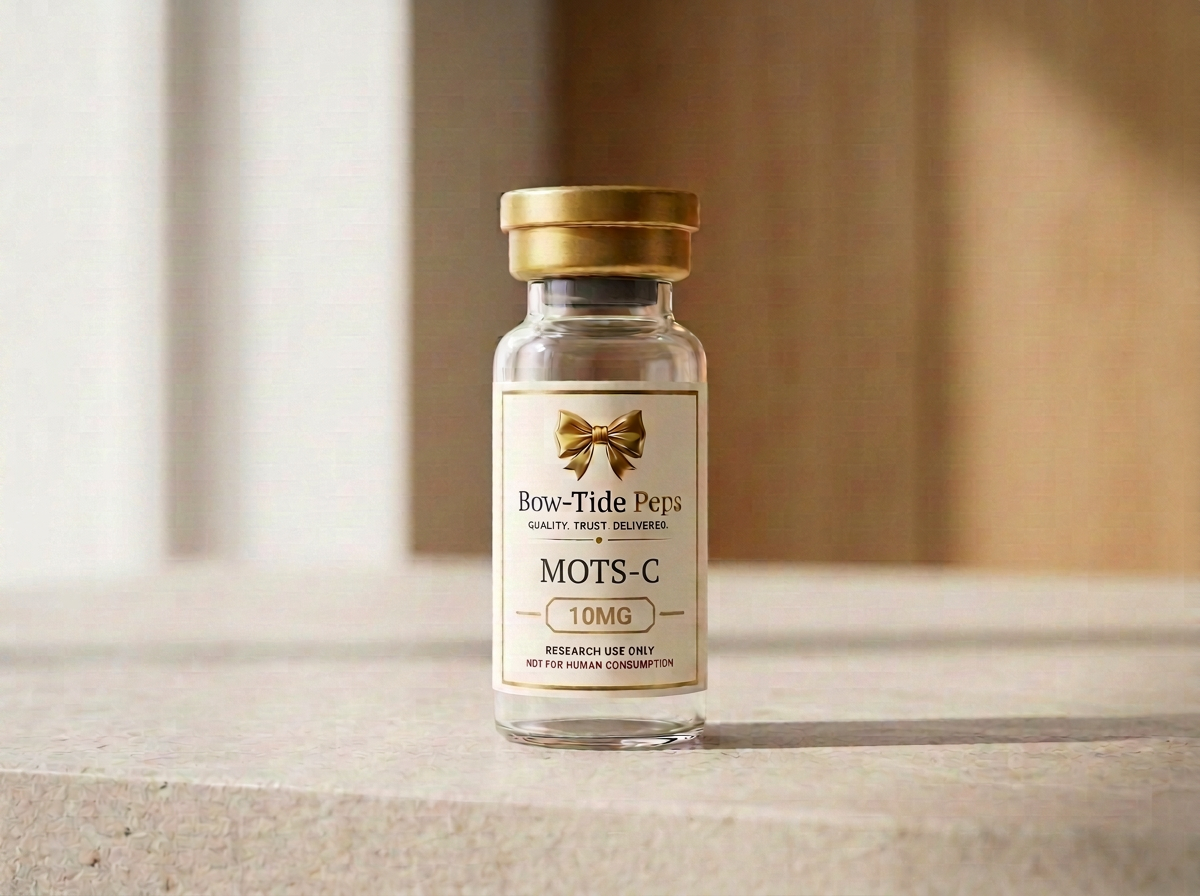
MOTS-c is a 16-amino-acid peptide encoded within mitochondrial DNA that regulates cellular metabolism and stress responses.
What is MOTS-c?
Definition: MOTS-c stands for mitochondrial open reading frame of the 12S rRNA type-c.
Origin: It is produced naturally by the body from a short sequence of mitochondrial DNA, primarily in metabolically active tissues like skeletal muscle.
Signaling role: Unlike most mitochondrial products that stay inside the organelle, MOTS-c travels to the cell nucleus and systemic circulation during metabolic stress (such as exercise or fasting) to act as a regulator of energy balance.
Key Mechanisms and Effects
AMPK activation: It activates the AMP-activated protein kinase (AMPK) pathway, which acts as the cell's master energy-sensing switch.
Metabolic flexibility: Research shows it helps improve glucose uptake and fatty acid oxidation in skeletal muscle.
"Exercise mimetic": Because its levels rise during physical exertion and it triggers similar adaptive cellular responses, it is sometimes colloquially called "exercise in a vial" in early research.
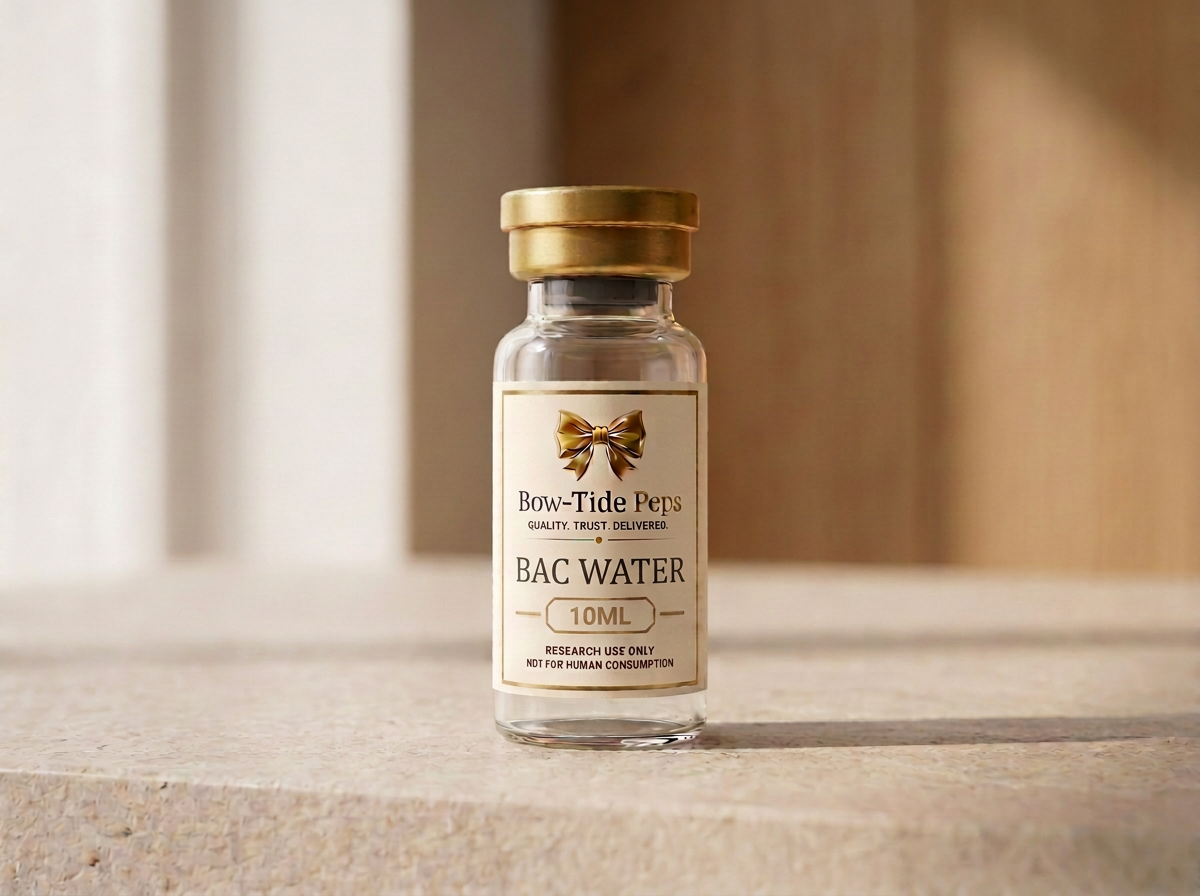
BAC water (bacteriostatic water) is sterile, non-pyrogenic water containing 0.9% benzyl alcohol used as a preservative to prevent bacterial growth in multi-dose vials.
Key Features
Composition: Sterile water mixed with 9 mg/mL (0.9%) of benzyl alcohol.
Preservative Action: The benzyl alcohol stops bacteria from growing after the vial is punctured.
Multi-Use: Allows you to draw multiple doses from the same vial over time, unlike regular sterile water which is for single use.
Shelf Life: Typically lasts up to 28 days after the first puncture when stored in a refrigerator.
Common Uses
Reconstitution: Mixing with lyophilized (freeze-dried) powders, such as laboratory peptides or specific medications, to turn them back into liquid form.
Dilution: Acting as a solvent or diluent to prepare compounds for injection or experimental use.