

 Image 1 of 1
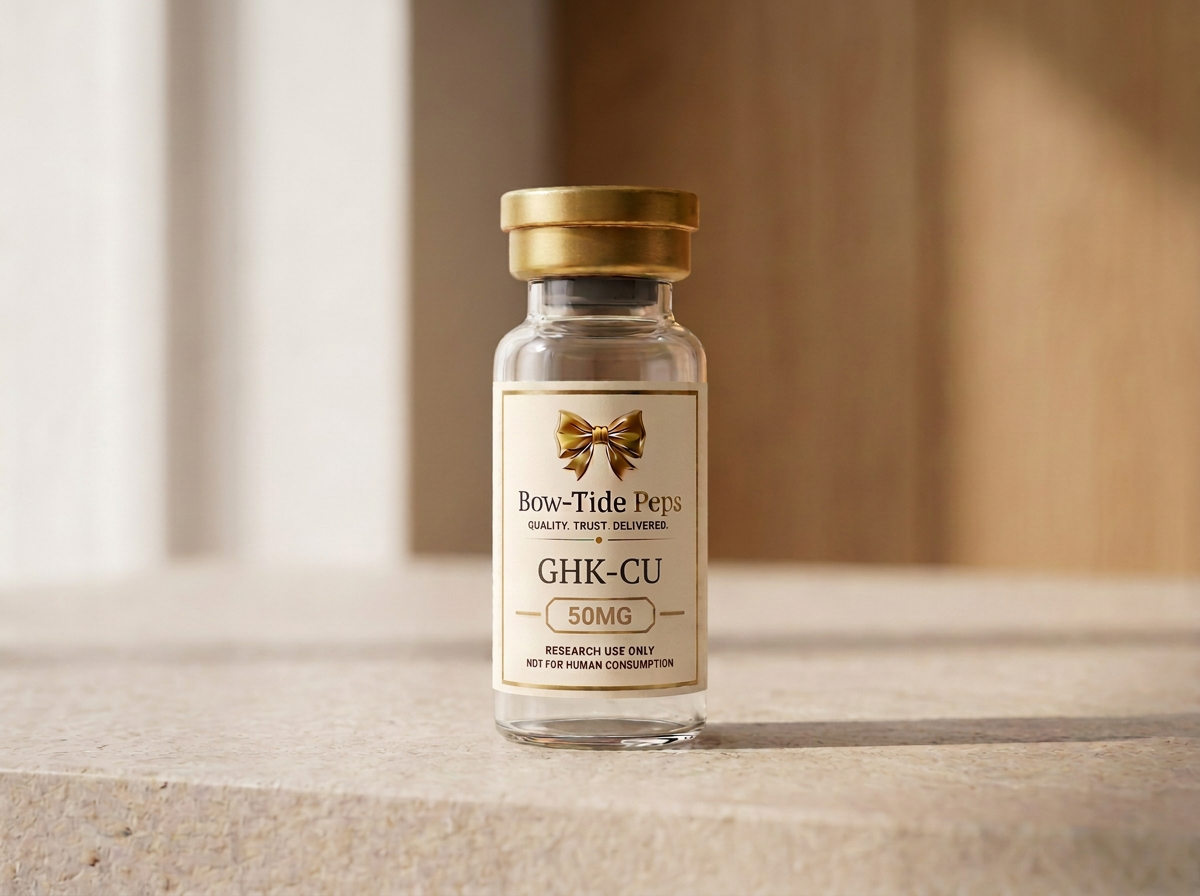
GHK-Cu is a naturally occurring tripeptide composed of three amino acids—glycine, histidine, and lysine—bound to a copper ion.
What is GHK-Cu?
Composition: A small protein fragment, also known as copper tripeptide-1.
Discovery: First isolated from human blood plasma by Dr. Loren Pickart in 1973.
Natural Presence: Found in human plasma and saliva.
Age-Related Decline: Plasma levels drop from about 200 ng/mL at age 20 to roughly 80 ng/mL by age 60.
How It Works
Copper Delivery: Acts as a safe transport system to deliver vital copper ions to cells.
Enzyme Activation: Copper serves as a helper (cofactor) for enzymes that build skin structure.
Collagen Support: Promotes the creation of collagen and elastin to firm skin.
Gene Modulation: Can influence gene activity related to healing and defense. You can read more about these mechanisms in research on Regenerative and Protective Actions of the GHK-Cu Peptide in the Light of the New Gene Data
GHK-Cu is a naturally occurring tripeptide composed of three amino acids—glycine, histidine, and lysine—bound to a copper ion.
What is GHK-Cu?
Composition: A small protein fragment, also known as copper tripeptide-1.
Discovery: First isolated from human blood plasma by Dr. Loren Pickart in 1973.
Natural Presence: Found in human plasma and saliva.
Age-Related Decline: Plasma levels drop from about 200 ng/mL at age 20 to roughly 80 ng/mL by age 60.
How It Works
Copper Delivery: Acts as a safe transport system to deliver vital copper ions to cells.
Enzyme Activation: Copper serves as a helper (cofactor) for enzymes that build skin structure.
Collagen Support: Promotes the creation of collagen and elastin to firm skin.
Gene Modulation: Can influence gene activity related to healing and defense. You can read more about these mechanisms in research on Regenerative and Protective Actions of the GHK-Cu Peptide in the Light of the New Gene Data